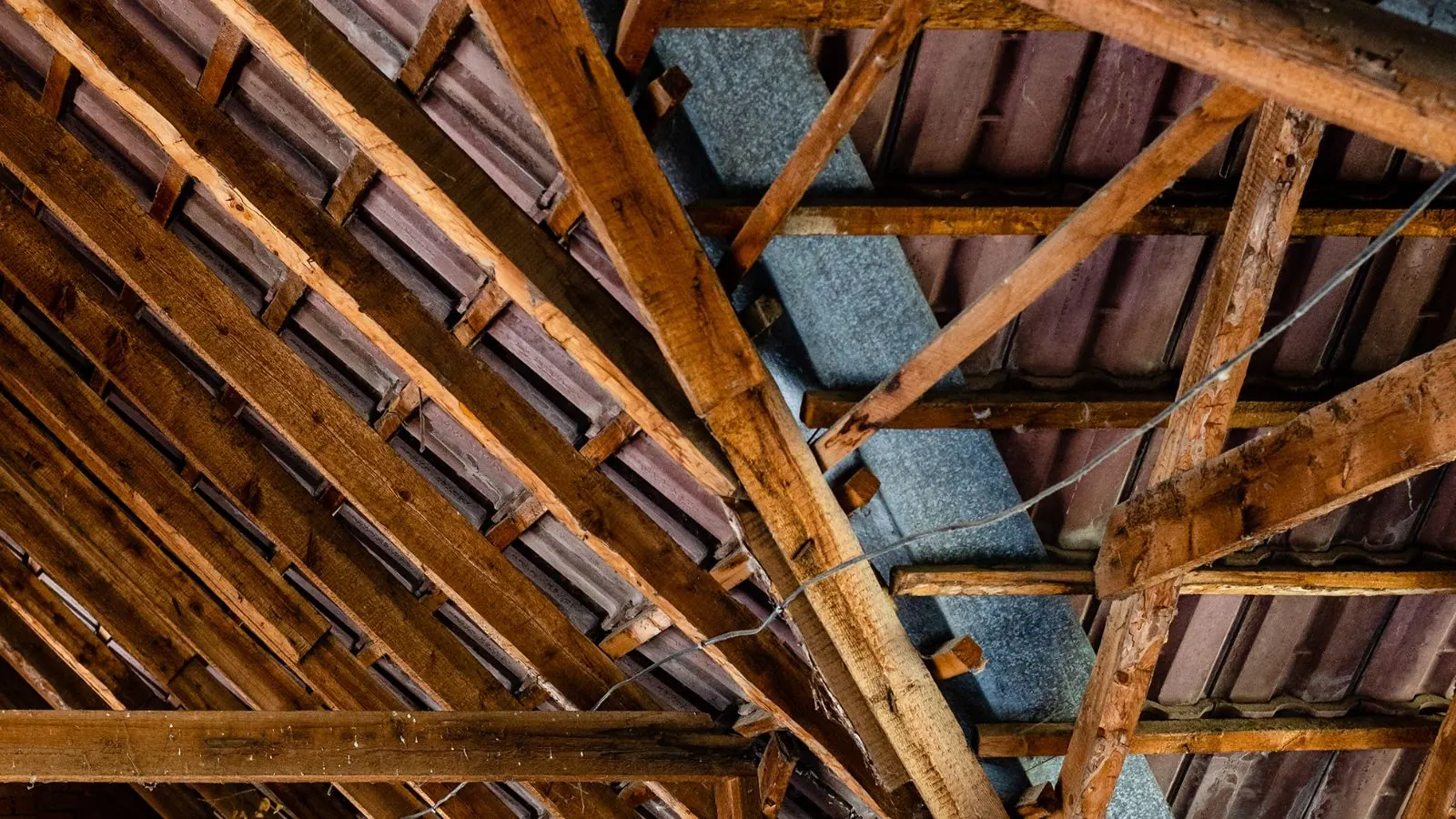
Roof leak water damage in Addison starts above the ceiling and often stays hidden until a stain or a drip shows up. Calls are taken through storms and overnight, and same-day response is offered when available.
While you wait, move belongings out from under the leak, catch drips with a bucket and stay out of any room with a bulging ceiling. Do not climb onto a wet roof to look for the source.
How rain gets from the roof to your rooms
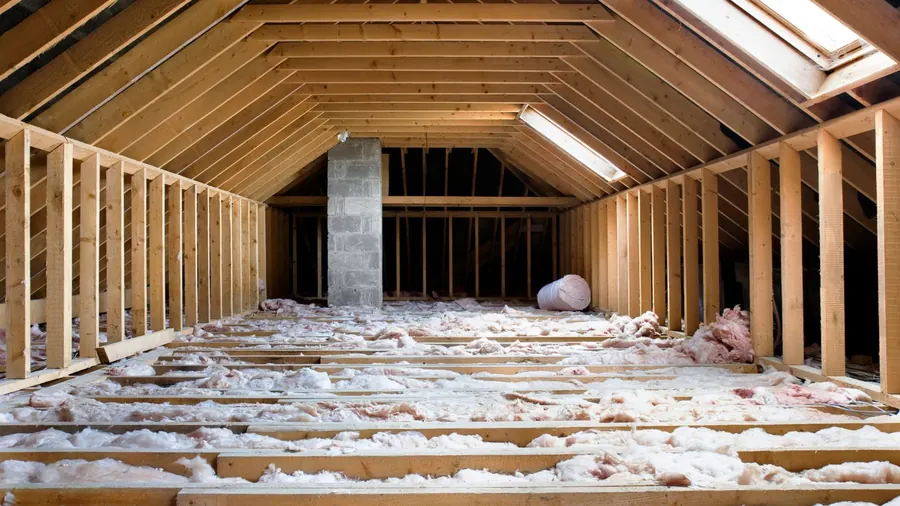
Water rarely falls straight through a roof. It enters at a weak point, runs along decking or a rafter, and drops somewhere else. Common entry points are lifted or missing shingles, cracked flashing around a chimney or wall, vent pipe boots, skylight curbs and valleys where two slopes meet.
Once inside, water soaks the attic insulation first. Insulation acts like a sponge and holds water against the decking and the ceiling board beneath it. Framing and the back of the ceiling take on moisture long before paint shows a stain, so the visible spot is usually smaller than the wet area.
Why the stain is not where the leak is
A ceiling stain marks where water came down, not where it came in. Water can travel several feet along a joist before it finds a gap. That is why we map the attic and ceiling with a thermal camera instead of judging by the stain alone.
What you see and what it usually means
| What you see | What it usually means |
|---|---|
| A brown ring on the ceiling that grows after rain | Water is reaching the ceiling board from above, often through soaked insulation. |
| Drips during a storm that stop afterward | Water is entering where wind-driven rain pushes it in, such as flashing or a vent. |
| Bubbling or sagging ceiling paint | The board is holding water, and a sagging spot can mean a pocket of water is trapped above. |
| Damp, matted insulation in the attic | The roof leaked more than once or leaked heavily once. |
| Dark staining on rafters or decking | Repeated wetting. Mold may follow if the area stays damp. |
First-hour safety steps
Water overhead is both a weight and an electrical hazard.
- Stay out from under a bowed ceiling. It can drop water and board without warning.
- If water drips through a light fixture or near the panel, switch off that circuit at the breaker only if you can reach it dry. If you cannot tell whether the wiring is safe, stay out and call 911.
- Do not use ceiling fans or lights that are wet.
- Do not walk on a wet or hail-damaged roof. Call a roofer to tarp or repair it.
- Move furniture, electronics and rugs out of the drip zone after photographing them.
- Call 911 for downed lines, fire or injuries, and the gas utility if you smell gas.
Soaked attic insulation can carry dust and debris. If you must touch it, wear gloves and a mask, and leave the rest to us.
Roofer and restorer do different jobs
A roofer repairs or tarps the roof. We do not do roofing. We work inside, where the water went. Ideally the roof is covered the same day, so the next rain does not undo the drying. Call us and your roofer at the same time, and we will schedule around each other.
Water coming through the roof? Mention whether the stain is spreading.
☎ (972) 945-2885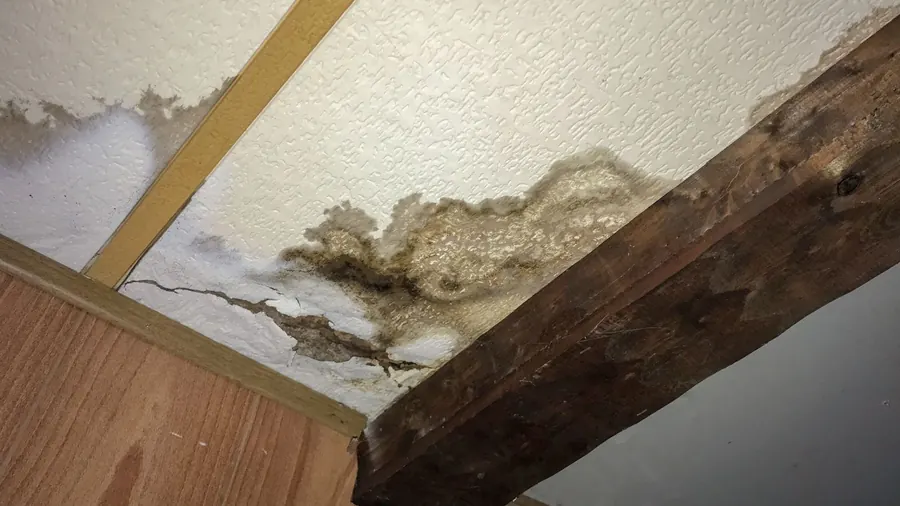
How we dry the attic and the ceiling below
Industry practice under ANSI/IICRC S500 is the reference for how the drying is run.
- Map the water. A thermal camera and moisture meters trace water from the attic through the ceiling and into walls.
- Extract what fell. Portable extractors and truck-mount units remove water from floors and carpet. Pooled water on attic surfaces is pulled up where we can reach it safely.
- Remove wet material. Soaked insulation is bagged out. Ceiling board that is soft, sagging or stained through is cut out so the cavity can dry, and we keep the cuts to the wet area.
- Dry the cavities. Air movers, LGR dehumidifiers and injectidry cavity drying ports push dry air through ceiling and wall cavities. HEPA air scrubbers clean the air if dust is stirred up.
- Monitor and document. We return to read moisture levels against a dry reference reading, and you get photos and readings for your adjuster.
Our structural drying page explains cavity drying in detail, and the overall approach matches our water mitigation work. Once everything is dry, finishing and rebuild belong to water damage repair.
What changes the cost
Every leak differs. These factors shape the scope.
Size of the wet area
The number of ceiling and wall cavities that took water drives equipment and days.
Amount of insulation
Soaked insulation must be removed and bagged, and a large attic means more of it.
Attic access
Tight hatches, low clearance and steep pull-down stairs change how we work.
Time between leak and call
Water left sitting spreads and soaks deeper into framing.
Wear, storms and your policy
Insurers usually separate sudden storm damage from wear. A roof opened by hail or wind during a storm may be treated differently from shingles worn out over years or a leak at old flashing that went unattended. Your own policy language decides, so bring it to your agent or adjuster.
Photograph the ceiling, the attic and any wet contents, and keep receipts for temporary tarping. Note the date of the storm. We add moisture readings and drying logs. Do not throw out wet insulation before your adjuster has seen photos. If water also came through windows or doors in the same storm, see storm water damage.
What this means in Addison
The National Weather Service in Fort Worth says large hail, damaging winds, flooding and tornadoes occur nearly every year across the metroplex, and severe weather peaks in spring.
The DFW Airport station recorded 37.01 inches of precipitation a year in the 1991 to 2020 normals. That is the airport station and not Addison itself, but it gives a sense of how much rain North Texas roofs face.
The Town of Addison says contractors must register with the Town before starting a project, and permits and inspections run through its Citizen Self Service portal. The Town's permit list is not all-inclusive, so ask Building Inspection about drywall or roof work.
Source type: National Weather Service Fort Worth and Town of Addison Development Services page
Mistakes to avoid
- Painting over a ceiling stain while the insulation above is still wet.
- Assuming the leak is fixed because the dripping stopped.
- Drying with a household fan and ignoring the attic.
- Walking on a wet roof to find the source.
If visible growth shows up, go to mold remediation. We serve Richardson and Coppell as well, so a storm that crosses the metroplex does not change how we work.
Frequently asked questions
Yes. Dispatch takes calls through storms, overnight and on holidays, and same-day response is offered when available. While you wait, move items away from the drip, keep out from under a sagging ceiling and take photos from the ground and inside. Call a roofer about covering the opening.
No. A roofer repairs or tarps the roof. We extract water, dry the attic and ceiling cavities, remove wet insulation and board, and document the loss. Coordinating with your roofer helps, since a covered roof keeps the drying from being undone by the next rain.
Sometimes lightly damp insulation can dry with airflow, but soaked batts usually come out because they hold water against decking and ceiling board. We check with meters and a thermal camera before deciding. Removing wet insulation also lets the cavity below dry faster.
Board that is soft, sagging, stained through or still reading wet after drying starts usually has to come out. Firm board with normal readings can often stay. We measure instead of guessing. We cut out the wet section, dry behind it and leave the finishing to a rebuild contractor.
Wondering what your attic needs once the roofer is done? Ask the dispatcher.
☎ (972) 945-2885