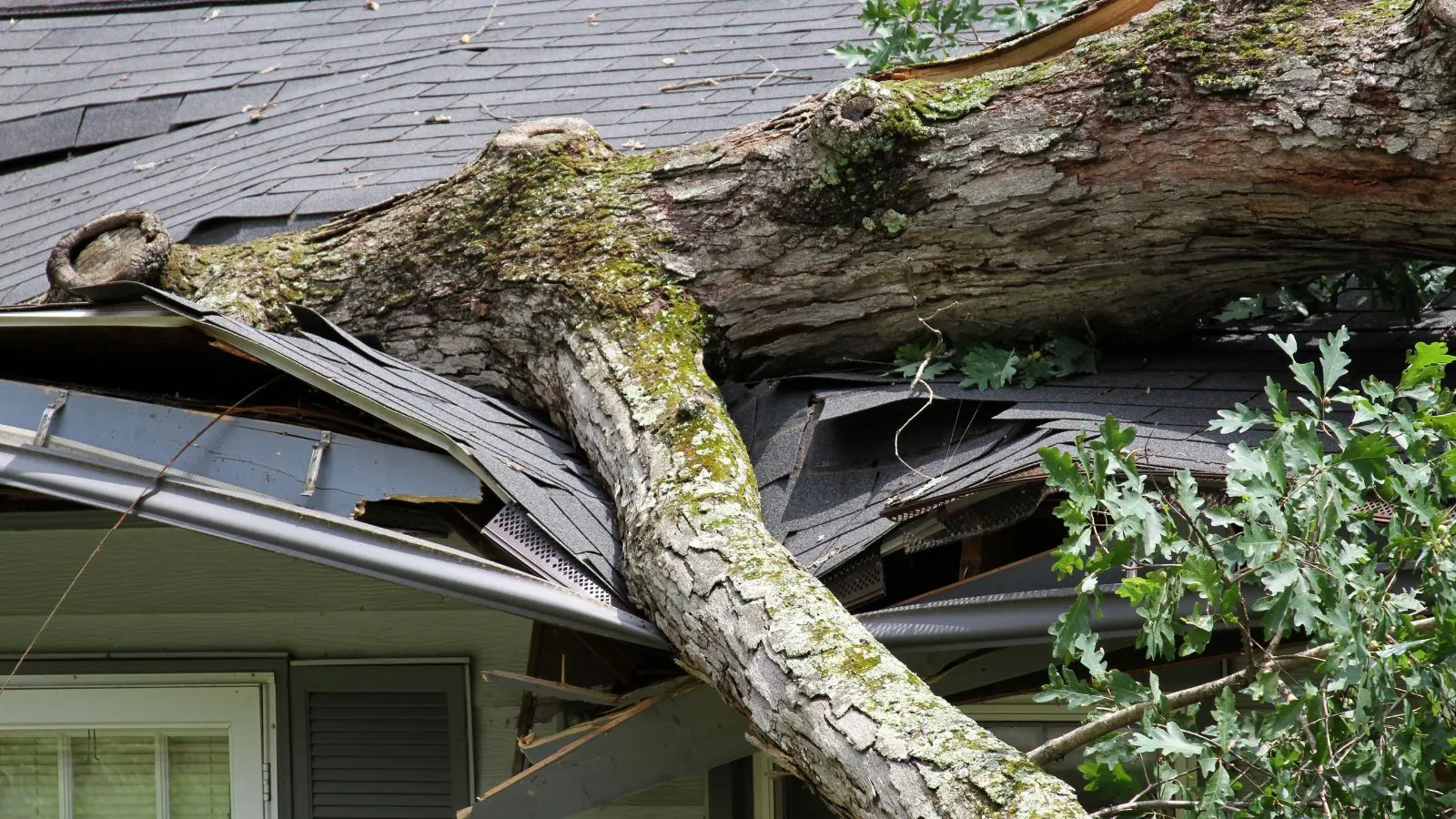
Storm water damage cleanup in Addison starts when rain, hail or wind drives water into a house, garage or outbuilding that was dry an hour earlier. Our 24/7 line is open, including nights, weekends and holidays, so you can call while the storm is still passing.
While you wait, stay out of any room where water touches an outlet, cord or appliance. If you see a downed line, keep well back and call 911. Take photos of the water and the damage before anything gets moved.
How storm water gets into a North Texas home
A storm rarely floods a house from the front door. More often it finds the small gaps. Wind pushes rain sideways, and water that would normally run off a window frame or garage door seal gets forced into the wall instead.
Door thresholds, garage door bottoms and window sills are common entry points. Clogged gutters overflow at the fascia, and if the grading slopes toward an exterior wall, runoff follows it.
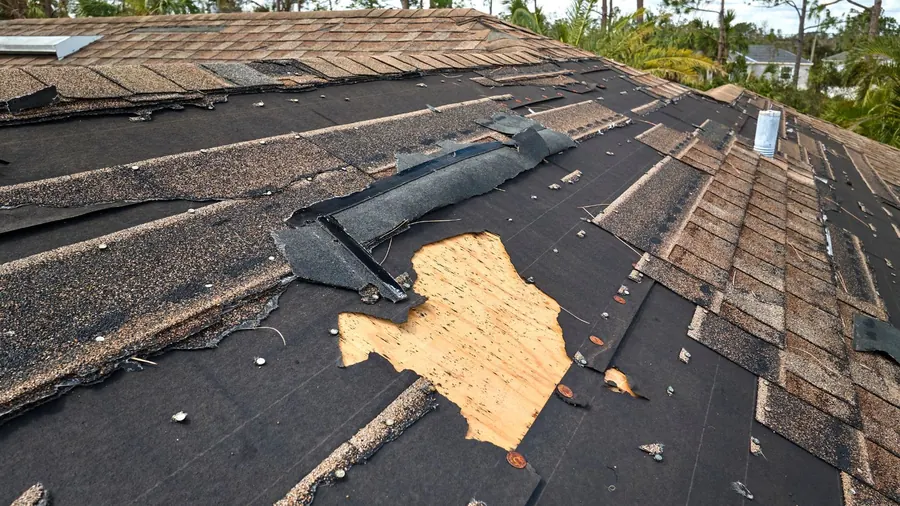
Hail adds a second path. It can crack shingles, dent flashing and split siding, and the opening may not leak until the next rain. If you see ceiling stains after a hailstorm, the roof leak page covers the path from the roof down.
What you see and what it usually means
Storm water often hides. Use this as a quick read, then let a moisture meter confirm what is really wet.
| What you notice | What it usually means |
|---|---|
| A water line on the garage floor near the door | Wind-driven rain or runoff crossed the threshold |
| Wet carpet along one exterior wall | Water entered at the wall base or through a window above |
| Fresh ceiling stain after hail | A roof opening, often at flashing or damaged shingles |
| Musty smell a day after the storm | Wet carpet pad or insulation that never dried |
| Baseboards lifting or paint bubbling low on a wall | Water has wicked up into the drywall |
First-hour storm safety steps
Power and water are a bad mix, and storms often damage both. Go through these before you touch anything.
- Call 911 for a downed power line, a sparking outlet or anyone hurt, and stay back from the line.
- Do not walk through standing water if outlets, cords, a panel or appliances are at or below the waterline.
- If it is safe and dry where you stand, switch off the breakers for the wet area. Otherwise leave it for an electrician.
- A gas smell after a storm means walking outside first and calling the gas utility or 911.
- Keep children and pets out of rooms where water came from outside.
Once the scene is safe, photograph the water, the entry point and the damaged items. Then call us.
Storm water, flood water and roof leaks are different jobs
Water that blows in through a window or door during a storm is one thing. Water that rises from outside and covers the floor is another, and that work belongs with flood damage restoration. A slow drip from a damaged roof is handled on the roof leak page.
Rain that came from outside is not clean water. It carries soil, debris and whatever the runoff crossed. That matters for porous material. Carpet pad, insulation and the bottom of a drywall wall are usually removed, not dried in place.
Storm water inside the house? Say where the water entered.
☎ (972) 945-2885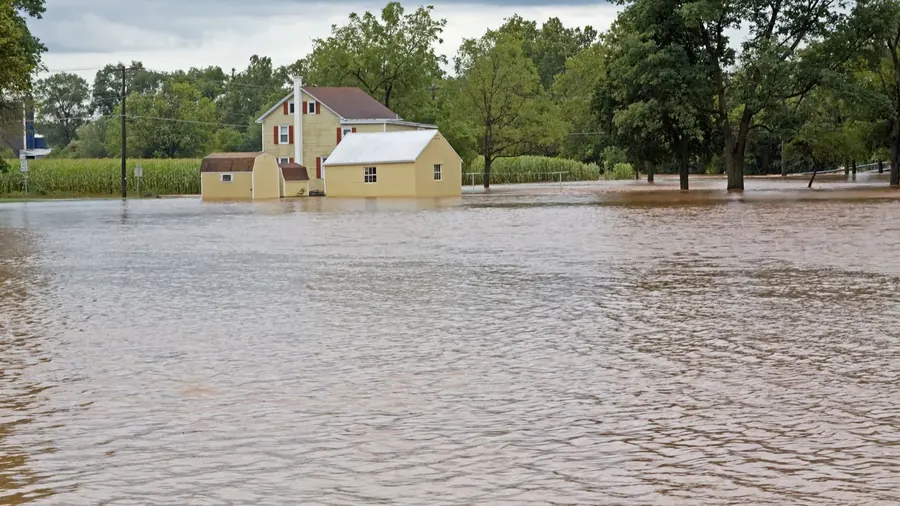
How we handle storm water damage
We work from the outside in, and we do not guess. Industry practice under ANSI/IICRC S500 guides how we classify the water and set drying goals.
- Walk-through and photos. We find the entry point, note the water's source and record the starting condition.
- Extraction. Truck-mount and portable extractors pull standing water and soaked carpet before it spreads. This is the same step described on our emergency water removal page.
- Moisture mapping. Moisture meters and a thermal camera show wet drywall, framing and subfloor that look dry.
- Removal of what cannot dry. Contaminated pad, wet insulation and low drywall come out with flood cut tools. Cavities that can be saved get opened or ported.
- Drying. Equipment stays in place until the meter readings return to the dry reference. If the space is open or damp, desiccant units may be added.
- Cleaning and air control. We clean affected surfaces and use HEPA air scrubbers when dust or odor is an issue.
- Documentation. You get readings, photos and a record of what was removed for your adjuster.
Our side of a storm loss is extraction, drying, removal of wet materials and photo records. A roofer repairs or tarps the roof, and a plumber fixes any broken line.
What changes the cost
Every storm loss is different. These are the factors that move the scope.
How far the water spread
A single threshold is a smaller job than water that reached a hallway, closet and adjoining room.
Water category
Water from outside usually means more removal of porous material.
Materials involved
Carpet, laminate, hardwood and drywall each dry or fail differently.
Time before the call
Water that sits longer soaks deeper into framing and cavities.
How storm claims usually work
Policies differ, so ask your agent or adjuster how yours treats wind, hail and water. In general, a sudden storm opening is handled differently from rising flood water, and wear on an older roof is handled differently from a damaged one.
Photos taken before cleanup help most, along with notes on when the storm hit and when you first saw water. We add moisture readings and a removal log. We do not promise coverage or approval.
What this means in Addison
The National Weather Service in Fort Worth notes that large hail, damaging winds, flooding and tornadoes occur nearly every year across the Dallas/Fort Worth area, with severe weather peaking in spring. That is a reason to check gutters and seals before March, not after.
You can look up the flood map for your exact address on the FEMA Flood Map Service Center. Standard homeowner policies generally do not cover flood, so ask your agent whether a separate flood policy fits your situation.
If repairs after the storm involve plumbing, the Town of Addison requires permits and contractor registration. Cosmetic work such as paint, trim and carpeting does not need a permit.
Source type: NWS Fort Worth, FEMA Flood Map Service Center and Town of Addison Development Services
Mistakes to avoid after a storm
- Waiting for the sky to clear before calling. Water keeps spreading while you wait.
- Running a box fan over soaked carpet and calling it done.
- Throwing out damaged items before taking photos.
- Walking through standing water near live power.
If the storm also reached a nearby city property, we serve Carrollton and Plano as well as Addison.
Frequently asked questions
Yes. Dispatch is staffed while the weather is still active, and same-day response is offered when available. While you wait, stay out of water near outlets or cords, shut off the breaker only if you can reach it dry, and photograph the damage before moving anything.
No. We dry and clean the inside. A roofer repairs shingles, flashing and vents, and a plumber handles any broken pipe. We can document the entry point so your adjuster and repair contractor both know where the water came from. Call us for the water and the roofer for the opening.
Often the pad does. Water from outside carries soil and debris, so the cushion under carpet is usually replaced. The carpet itself may be cleaned and reused, depending on how long it stayed wet and what it is made of. We check with a moisture meter and tell you what can be saved.
Not exactly. Hail breaks the roof or siding, and water damage follows only if rain gets through the openings. We handle the water side. Ask your agent how your policy treats hail, wind and the resulting interior water, since policies differ.
Look at the path. Water that rose from the ground outside across a floor is flood water. Water that came through a window, door or roof is storm intrusion. Insurers can treat them differently, so describe it accurately and keep your photos. Our flood damage restoration page covers the rising-water case.
Not sure if the water came from the roof or the ground? Describe the scene by phone.
☎ (972) 945-2885