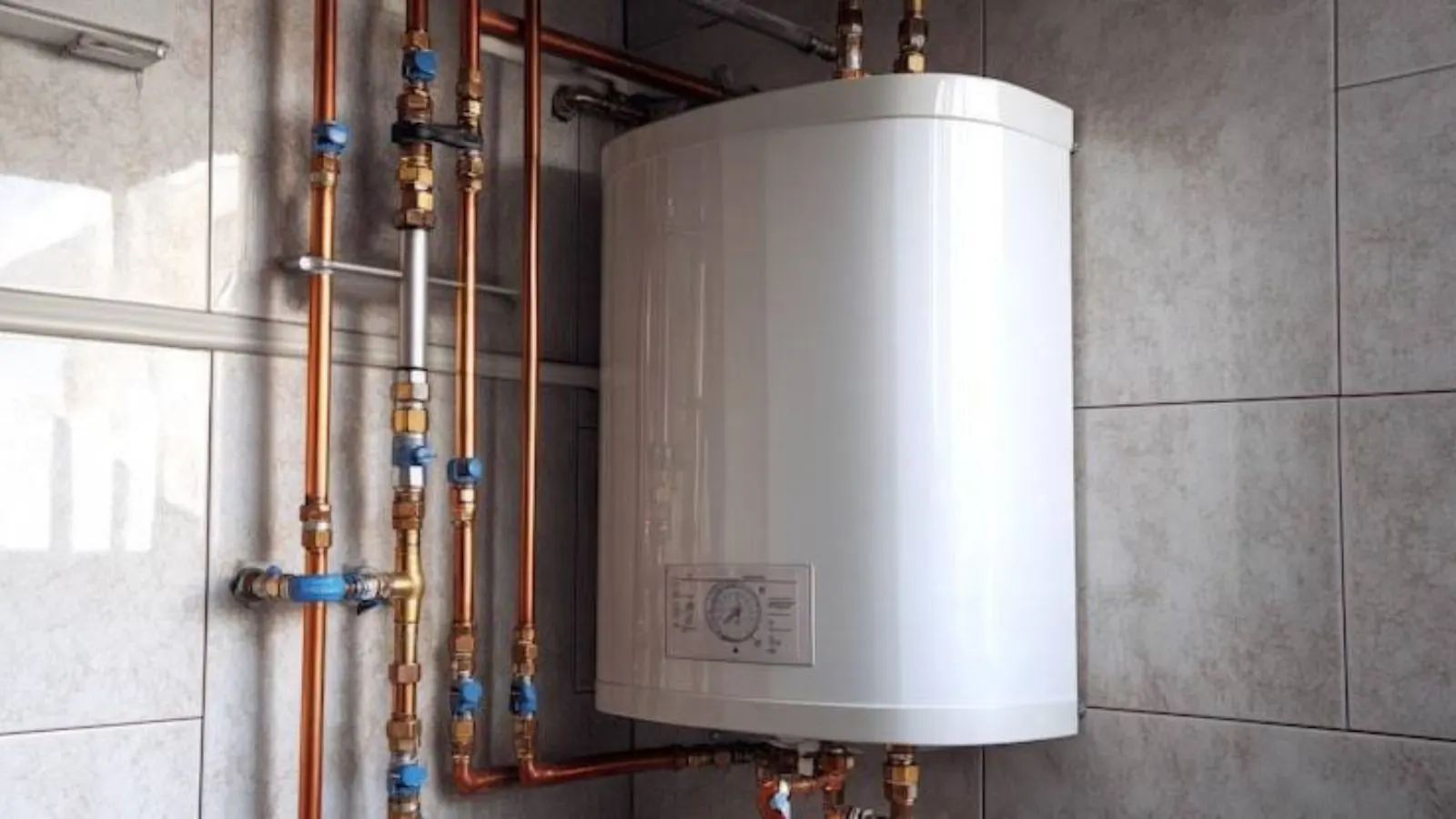
Water heater leak cleanup in Addison begins once the water supply to the tank is closed and the flow has slowed. Our 24/7 line is open on nights, weekends and holidays, and we offer same-day response when available.
While you wait, close the cold-water valve on the heater, switch off its power or turn the gas control to off, and stay out of standing water near live electricity.
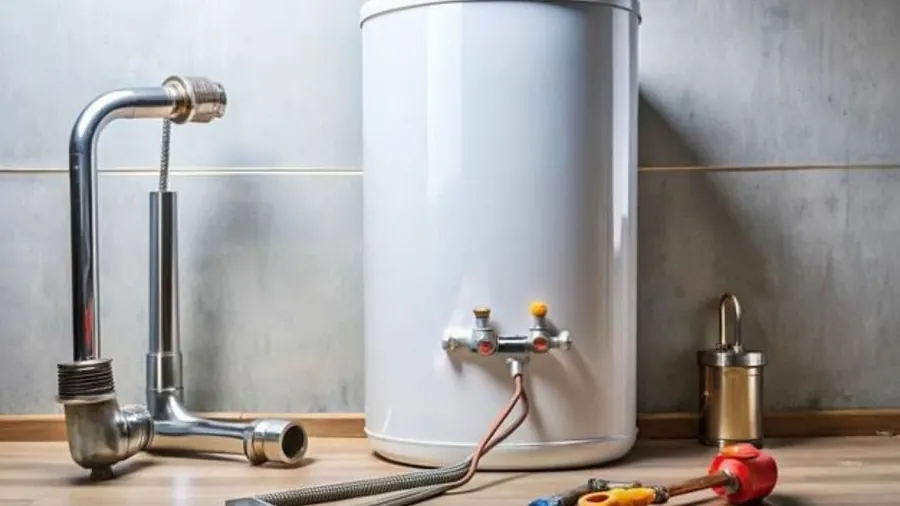
Where water heater leaks come from
Not every leak at a water heater means the tank has failed. The source decides how much water you are dealing with and how fast it arrives.
Tank failure
A tank can corrode through at the bottom or develop a seam leak. This usually releases the most water, potentially a full tank, and it does not stop on its own.
Fittings and connections
Supply lines, flex connectors and unions at the top can loosen or corrode. These tend to drip slowly and keep dripping for as long as nobody notices.
Relief valve and drain valve
The temperature and pressure relief valve can release water if pressure builds, and the drain valve near the base can weep. Both are plumber items, and a slow weep can hide for weeks under a closet floor.
Condensation
Some gas and high-efficiency units make condensate that must drain away. If that line clogs, water spills out and can look like a tank leak.
Where the heater sits changes the damage
If your heater sits in a garage, water spreads over the slab and wicks into the bottom of wall framing and anything stored on the floor. If it sits in a closet, water moves into carpet, closet walls and the rooms next to it.
If it sits in the attic, water drops through insulation and the ceiling below, so the first sign may be a stain in a hallway or bedroom far from the heater. We trace the path with a thermal camera and moisture meters instead of trusting the stain.
What you notice and what it usually means
| What you notice | What it usually means |
|---|---|
| A puddle around the base of the heater | The tank, a drain valve or a lower fitting is leaking. A plumber finds which. |
| Rust streaks on the tank or rusty water at taps | Corrosion inside the tank, which may be near failure. |
| Hissing or water dripping from the pipe beside the heater | The relief valve is releasing. |
| A ceiling stain under an attic heater | Water has dropped through insulation and board. |
| Damp drywall or warped baseboard near the heater closet | Water has wicked up from the floor into the wall. |
First-hour safety steps
A heater leak mixes water, electricity or gas, and very hot water.
- Close the cold-water shutoff valve on the pipe feeding the heater. If it will not turn, close the main at the house. If the main is stuck, call the Town rather than forcing the meter.
- Electric heater: switch off its breaker, but only if you can reach the panel without standing in water. Do not touch the heater or its wiring while wet.
- Gas heater: turn the gas control to off. If you smell gas, leave the house and call the gas utility or 911 from outside, and do not flip switches.
- Do not stand in water near live power. If water has reached outlets, call an electrician or 911.
- Water released near the relief valve or from the tank can be hot enough to scald.
- Photograph the heater, its label and the wet areas before moving anything.
A plumber then repairs or replaces the heater. That work is not ours.
Water heater leaking now? Say where the heater sits in the home.
☎ (972) 945-2885
How we clean up and dry after a heater leak
Water from a tank starts as clean supply water, but rust, sediment and insulation change how we handle it. Our process follows industry practice under ANSI/IICRC S500.
- Map the wet area. Moisture meters and a thermal camera show where water went, including under cabinets, behind baseboards and above a ceiling.
- Extract. Truck-mount and portable extractors, with a weighted wand on carpet, remove standing water from floors.
- Remove what cannot dry. Wet carpet pad, soaked insulation and baseboards come out. Drywall that is soft or stained through gets a flood cut above the wet line.
- Dry. Air movers and LGR dehumidifiers dry the room. Injectidry cavity drying ports move air into wall cavities and behind trim.
- Clean the surfaces. Rust and sediment are cleaned from floors and hard surfaces that stay, and the air is cleaned with HEPA air scrubbers where dust was disturbed.
- Document. You receive photos and moisture readings from first visit to dry finish for your insurer.
This sequence mirrors our water mitigation service, and the wider cleanup work is described on water damage cleanup. If a washer or dishwasher caused the leak instead, see appliance leak water damage.
What changes the cost
We quote no figure before seeing the loss. These factors set the scope.
Where the heater sits
A garage slab, a carpeted closet and an attic ceiling each need a different plan.
How much water escaped
A failed tank releases more than a weeping fitting.
How long it leaked
A slow leak behind a unit can soak framing and subfloor for weeks.
What the water reached
Carpet and pad, drywall, insulation, hardwood and cabinets dry or fail differently.
Insurance and a failed heater
A tank that fails suddenly is often viewed differently from a drip that ran for weeks. Policies differ, so ask your agent or adjuster whether the water damage, the heater and the plumber's repair are treated separately.
Photograph the heater, its data label and the leak point. Keep the failed part and the plumber's invoice. We add moisture readings and drying logs so the timeline is clear.
What this means in Addison
The Town of Addison utilities page says that for an emergency water turn-off an operator is dispatched immediately at no charge, with Town crews available 24 hours. Only an authorized agent may turn water on or off at the meter.
The Town's 2023 water quality report says Addison buys its water entirely from the City of Dallas and lists chloramines as the disinfectant. That is the water a leaking tank starts with.
Development Services requires permits for plumbing work such as replacing water or sewer lines, and contractors must register with the Town. Replacing fixtures or faucets does not need a permit. Ask your plumber to confirm what applies to a heater replacement.
Source type: Town of Addison utilities page, 2023 water quality report and Development Services page
Mistakes to avoid and simple prevention
- Leaving wet carpet pad in place because the top looks dry.
- Relying on a wet-vac and a fan while the wall base stays damp.
- Closing up a closet wall before the cavity reads dry.
- Ignoring rust, a weeping valve or a damp closet floor.
- Prevention: know where the shutoff valve is, ask a plumber about a drain pan and leak sensor, and have the heater checked as it ages.
We work the same way for homes in Carrollton and Richardson.
Frequently asked questions
Yes. A person answers around the clock, holidays included, and same-day response is offered when available. While you wait, close the cold-water valve at the heater, turn off its power or gas, stay out of water near live electricity and photograph the damage.
No. A plumber repairs or replaces the heater. We extract the water, dry the structure, remove damaged material and document the loss. You do not have to wait for the new heater to start cleanup, but the water supply to the old one should be closed first.
Close the cold-water supply to the heater first, since that stops the flow. Then turn off power at the breaker or set the gas control to off. If water is near the panel or outlets, do not step through it. Call an electrician or 911. For a gas smell, leave and call the gas utility.
It starts as supply water, but a tank can add rust and sediment, and in an attic or closet the water picks up insulation and debris on the way. Porous materials such as carpet pad and drywall that sat wet for a long time are handled carefully. We assess before deciding what stays.
Heater already shut off and the floor still wet? Describe it to the dispatcher.
☎ (972) 945-2885