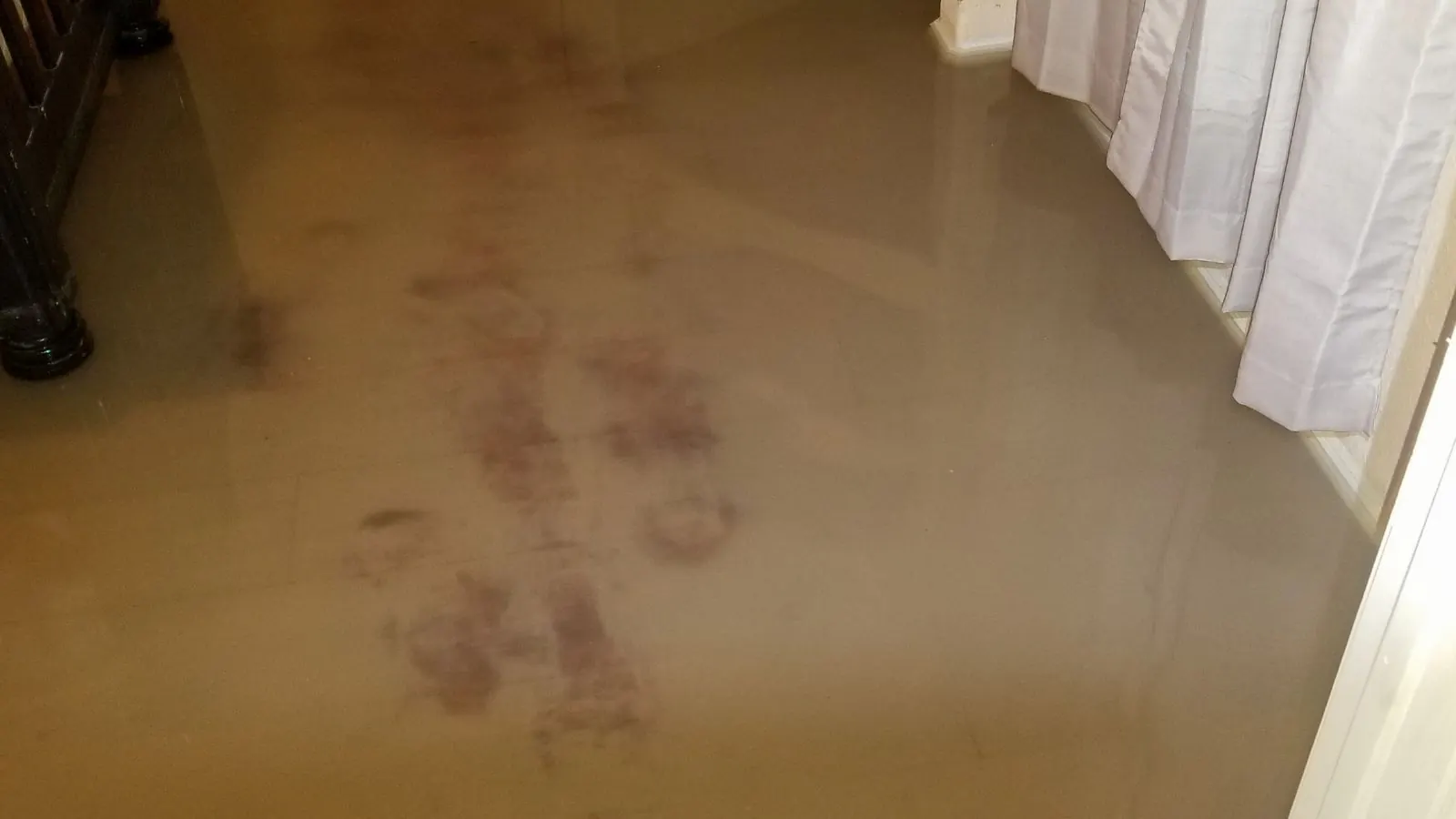
Sewage backup cleanup starts when wastewater comes up through a toilet, tub, shower or floor drain and spreads across the floor. Our 24/7 line is open now, including nights, weekends and holidays, and we offer same-day response when available.
While you wait, stay out of the affected rooms, keep children and pets away, and do not flush or run water. Every drain you use sends more waste to the same blocked spot.
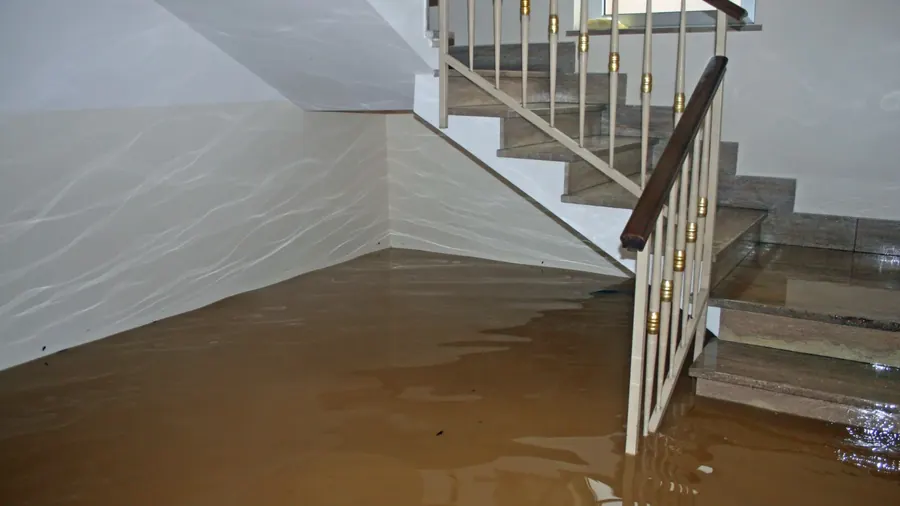
Why sewage backups are a different kind of water loss
Most water losses begin with a supply line or an appliance, so the water starts clean. A sewage backup does not. The water carries human waste and bacteria, and the industry treats it as Category 3, or grossly contaminated.
That changes the job. Anything porous that the water touched has to be judged on contamination first and moisture second.
How a backup happens
A blockage leaves the wastewater nowhere to go, so it rises to the first opening it finds at the bottom of the house. That is often a floor drain, a ground-level tub, or the toilet nearest the main line. Roots, grease, wipes and collapsed pipe are common causes, and a plumber has to find which one applies.
Why North Texas weather matters
NWS Fort Worth notes that flooding occurs nearly every year somewhere in the Dallas/Fort Worth area. If surface water also entered your home, flood damage restoration covers that side of the loss.
What you see and what it usually means
Use these signs to describe the problem when you call. A plumber will confirm the cause.
| What you notice | What it usually points to |
|---|---|
| Toilet gurgles and a floor drain bubbles when you flush | A blockage downstream is pushing air and water back toward your home |
| Dark water rising in a tub or shower after a washer drains | The blockage is on the line that serves several fixtures |
| Several fixtures slow at once | Likely a main line problem rather than one fixture |
| Sewer smell with no visible water | Wastewater may be trapped under flooring or inside a wall |
First-hour safety steps
Treat all backup water as a health hazard until it has been cleaned out.
- Stop using toilets, sinks, tubs, the dishwasher and the washing machine.
- Keep children, pets and anyone with a weakened immune system out of the area.
- Do not wade through it. If you must cross it, wear waterproof boots and rubber gloves, then wash your hands thoroughly.
- Turn off power to the affected area at the breaker only if you can reach the panel without standing in water.
- Do not pour bleach on carpet, drywall or other porous material. It does not make those materials safe.
- Call a plumber to clear the line. Call 911 or the gas utility if you smell gas, and the Town if you suspect the main.
Photograph the water, the fixtures and the damage before anything is moved. Your insurer will want that record.
Our sewage cleanup process
The order of work matters here. We contain first, remove second and dry last.
- Protect the crew and the house. Technicians wear gloves, boots, eye protection and respirators. We seal off doorways and vents so contamination does not travel to clean rooms.
- Extract the water. Truck-mount or portable extractors pull standing wastewater. We stay on the job until the surface is clear, because the pooled liquid is the main hazard.
- Remove porous materials. Carpet, cushion, wet drywall and insulation that touched the water are cut out and bagged. Flood cut tools let us remove board at a clean line above the wick mark.
- Clean and treat. Hard surfaces and framing are scrubbed and treated with an antimicrobial product matched to the surface. HEPA air scrubbers filter the air while we work.
- Dry the structure. Moisture meters and a thermal camera show where water remains. Air movers and LGR dehumidifiers dry the cavities, and structural drying explains how that stage is monitored.
- Control odor and document. We address lingering odor after the source is removed, then record readings and photos for your file.
Industry practice under ANSI/IICRC S500 treats contaminated porous material as something to remove, not rescue.
Who handles which part
A licensed plumber clears the blockage, runs a camera if needed and repairs the pipe. We do not offer plumbing repair. We handle the wastewater, the damaged materials and the drying, and the two trades often work the same day.
Sewage coming up a drain? Keep everyone away from the affected room.
☎ (972) 945-2885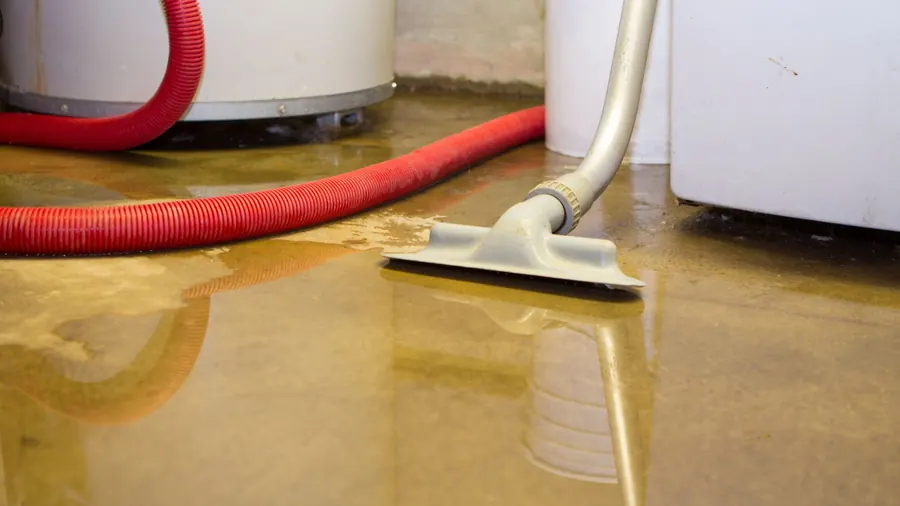
What changes the cost
Every backup is scoped on site. These factors drive the size of the job.
Area and depth
One bathroom is a smaller scope than a whole floor.
Materials affected
Carpet, cushion, drywall height and insulation add removal work.
Time since the backup
The longer it sits, the further it wicks.
Access
Finished basements, tight spaces and heavy furniture add labor.
Drying demand
Equipment and days depend on how wet the structure is.
Insurance and sewage backup
Many standard homeowner policies treat sewer or drain backup separately from other water losses, and it is often an optional endorsement. Policies differ, so ask your agent or adjuster what yours says before you assume either way.
Sudden versus gradual also matters. A sudden backup is judged differently from long-term seepage. Keep photos, receipts and the plumber's report together, and we will give you our readings and notes in a format an adjuster can follow.
What this means in Addison
The Town of Addison buys its water entirely from the City of Dallas, which covers the supply side. For the sewer side, ask the Town or a plumber to find out whether the blockage is on your side.
Plumbing work such as replacing sewer lines needs a permit from Town Development Services, and contractors must register with the Town before starting. The Town runs permits and inspections through its Citizen Self Service portal.
Paint and carpet are cosmetic and need no permit. Wall board replacement is not spelled out on the Town's list, so ask Building Inspection before you rebuild.
Source type: Town of Addison Development Services and utilities pages, and NWS Fort Worth
Mistakes to avoid
- Running a household vacuum on the water, which spreads contamination.
- Keeping wet carpet because it looks fine after cleaning.
- Leaving cushion and baseboards to dry on their own.
- Mopping with bleach and calling it done.
If mold shows up later, mold remediation is a separate service. For general cleanup once the structure is safe, see water damage cleanup.
Where we work
We serve Addison homes and nearby Carrollton and Richardson. Call the same line for either.
Frequently asked questions
Yes. Dispatch takes calls at any hour, and same-day response is offered when available. While you wait, stay out of the area, keep children and pets away, do not flush or run water, and photograph the damage from a safe distance. Call a plumber too, because the line has to be cleared before cleanup can be finished.
A small spill on a hard floor can look manageable, but the risk is the water you cannot see. It can soak under baseboards and into carpet pad. If any porous material is wet, call us before you start.
Usually yes if sewage reached it. Carpet and cushion that absorbed Category 3 water are normally removed and discarded. We check the extent with moisture meters, cut back to a clean edge and tell you what stays. Hard flooring and framing are cleaned and treated instead of replaced.
Ask the Town or a plumber to find out whether the blockage is on your side. A plumber can run a camera down the line to show where the stoppage sits. Several homes backing up at once, or a backup that returns right after clearing, are good reasons to mention the main.
It depends on the area and the materials. Extraction and removal are often the first visit. Drying follows and can take several days, based on daily readings, not a calendar.
Unsure whether a drain backup counts as contaminated? Ask before touching anything.
☎ (972) 945-2885